
Key Takeaways
- There’s no single “right” age for assisted living—individual needs matter more than the number on your birth certificate.
- Daily task challenges, safety concerns, and social isolation often signal it’s time to explore senior living options.
- Most residents move to assisted living in their late 70s and 80s, but some transition earlier due to health changes.
- Assisted living communities provide support while helping you maintain independence and social connections.
Age Is Just a Number When It Comes to Senior Living
You might wonder if there’s a magic age when assisted living becomes the right choice. The truth is, the decision to move to Rosemark at Mayfair Park or another assisted living community depends much more on your changing needs than your chronological age.
Every person ages differently, and what matters most is how well you can manage daily activities, stay safe at home, and maintain meaningful social connections. Some people thrive independently well into their 90s, while others benefit from assisted living support in their early 70s.
When Daily Tasks Become More Challenging
Certain signs can help you recognize when it might be time to consider assisted living. These changes often happen gradually, so you might not notice them right away.
Watch for these common indicators that suggest assisted living could improve your quality of life:
- Difficulty with activities of daily living, like cooking, cleaning, or personal care tasks.
- Managing medications becomes overwhelming or confusing.
- Transportation challenges affecting your ability to get groceries, attend appointments, or visit friends.
- Social isolation and loneliness that impacts your mood and well-being.
Common Age Ranges for Assisted Living
While individual needs vary, most people who choose assisted living fall into predictable age ranges. Understanding these patterns can help you plan for the future. Here’s what you typically see in senior living communities:
- People in their 70s often transition due to mobility changes or after a spouse passes away.
- Those in their 80s frequently move when household management becomes too demanding.
- Younger residents sometimes join communities due to specific health conditions or early memory changes.
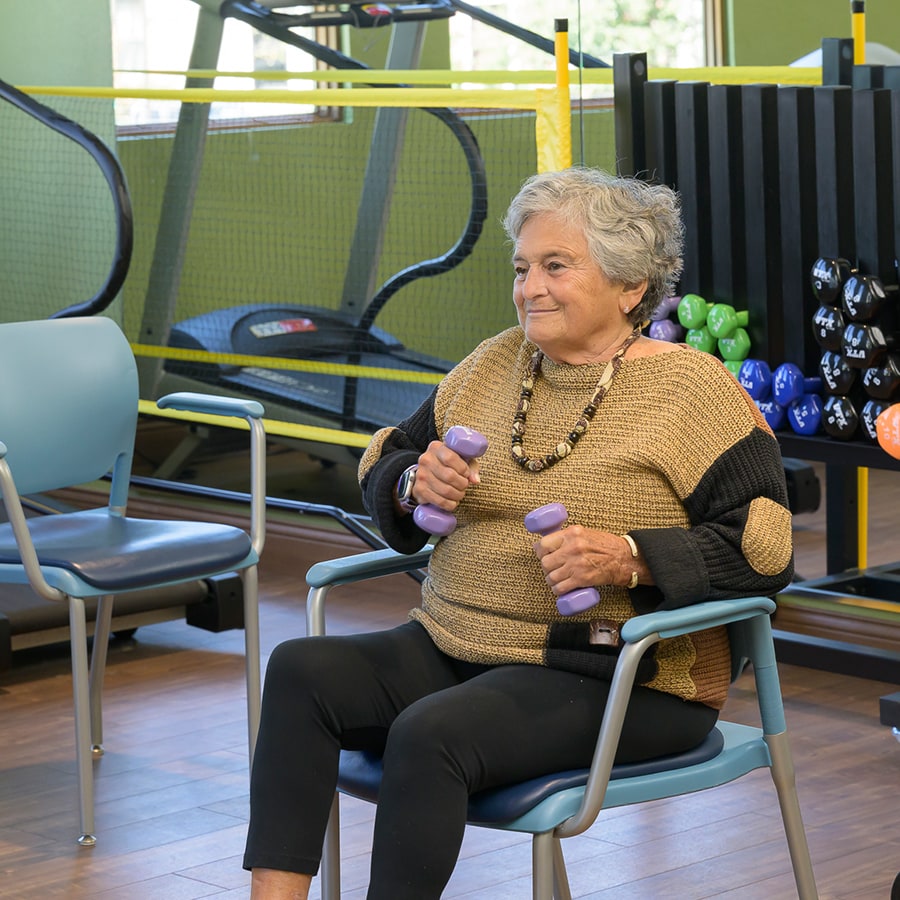
Research on aging indicates that physical activity and social engagement become increasingly important as we age, regardless of when this transition occurs.
Health and Safety Considerations That Matter Most
Physical and cognitive changes play a bigger role than age in determining readiness for assisted living. You’ll want to honestly assess how these factors affect your daily life.
Pay attention to these key areas that often influence the timing of your move:
- Mobility concerns and increased fall risks that make navigating your home difficult.
- Chronic health conditions requiring regular medication management or medical support.
- Medication management becoming complex or confusing.
- Early signs of memory changes that affect safety or daily routines.
If memory concerns become more noticeable, specialized memory care can provide additional support while maintaining dignity and comfort. Understanding memory changes can help you make informed decisions about care options.
Making the Transition Smoother for Your Family
Assisted living doesn’t mean giving up your independence—it means getting the right support to maintain your quality of life. These communities adapt their services to match your specific needs. You can expect these supportive services that help preserve your autonomy:
- Personal care assistance tailored to what you actually need help with.
- Housekeeping and maintenance support that frees up your time and energy.
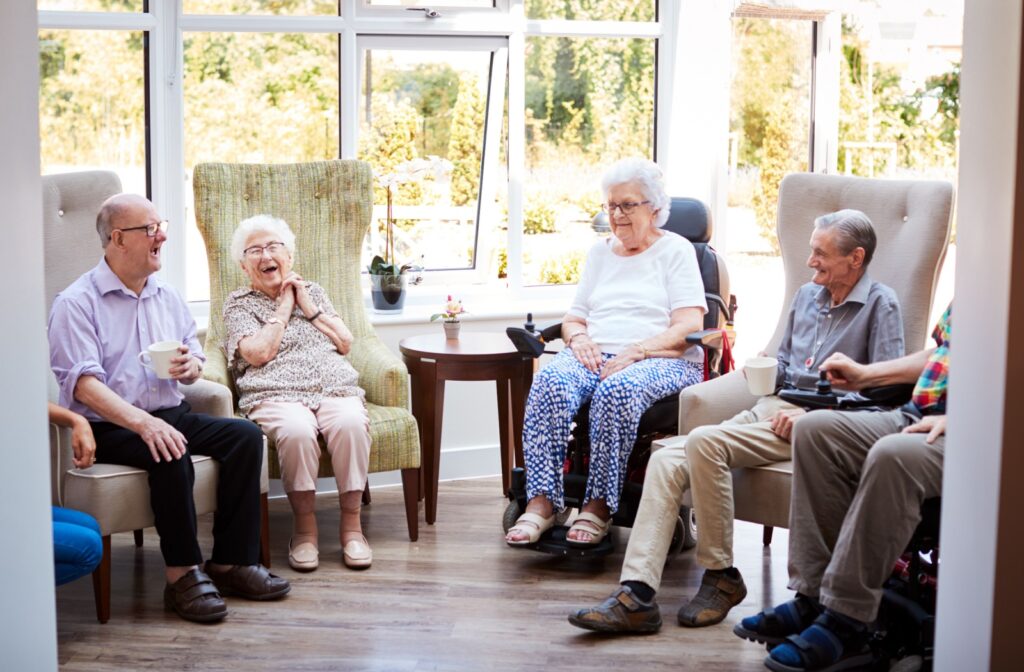
- Social activities and community connections that combat isolation.
- 24-hour support availability for peace of mind without being intrusive.
Planning ahead makes the transition to assisted living much easier for everyone involved. You can take practical steps to reduce stress and make informed decisions. Consider having honest conversations about needs and preferences before changes become urgent, and explore respite care as a way to experience community life temporarily.
Remember that timing this decision is deeply personal to your family situation. What works for one person might not fit another’s needs or preferences. Research shows that social interactions contribute to happiness, making the community aspect of assisted living particularly valuable.
Find Support That Fits Your Family’s Needs
At Rosemark at Mayfair Park, our associates understand that every family’s journey looks different. Whether you’re just beginning to explore senior living or looking for a more supportive environment for someone you love, our associates are here to guide you with clarity and care. We’ll help you understand your options, answer your questions, and find solutions that fit your situation.
Contact our team today to schedule a visit and discover how our community could support your family’s future plans.