Key Takeaways
- Strong legs help you walk confidently, maintain balance, and stay independent in daily activities
- Chair-based exercises like seated leg extensions and ankle circles can be done safely at home
- Standing exercises with wall or chair support build strength for real-world movements
- Water exercises provide joint-friendly options that feel comfortable and effective
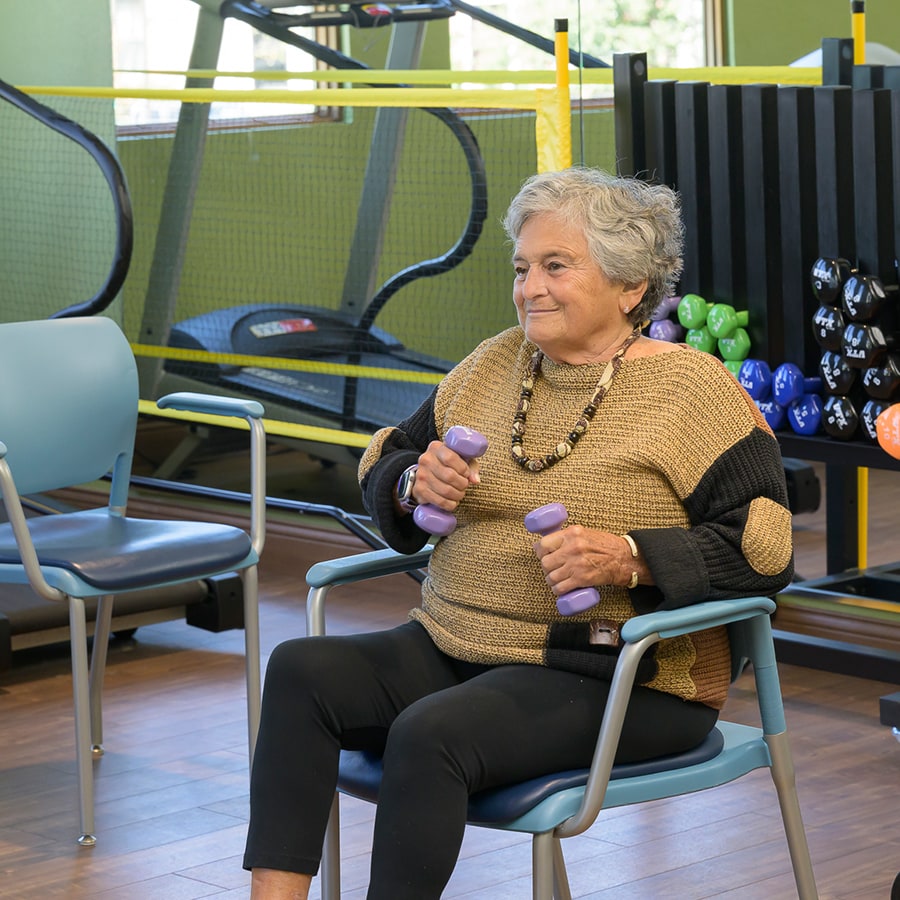
- Group exercise programs in senior communities offer motivation and professional guidance
You rely on your legs for nearly everything you do each day. Walking to the mailbox, getting up from your favorite chair, or climbing the steps to visit a friend all depend on having strong, flexible leg muscles. When your legs feel weak or unsteady, these simple activities can become challenging and stressful.
Regular leg exercises can help you maintain the strength and balance you need to move through your day with confidence. The right exercises don’t require a gym membership or complicated equipment. Instead, you can use simple movements that fit into your routine and gradually build the muscle strength that supports your independence. Senior living communities understand how important mobility is for your quality of life, which is why their assisted living services include fitness programs designed specifically for maintaining strength and independence.
Why Does Leg Strength Matters for Your Daily Life?
Your leg muscles work together to keep you steady when you walk across different surfaces or navigate around furniture. Strong quadriceps help you stand up from chairs without using your arms for support. Your calf muscles give you the push you need to climb stairs or step up onto curbs safely.
Balance comes from the coordination between all these muscle groups working together. When your legs feel strong and responsive, you’re less likely to worry about stumbling or falling. This confidence helps you stay active and engaged in activities you enjoy.
Beyond daily tasks, leg strength affects your overall health. Regular movement keeps your blood flowing well, supports your heart health, and helps maintain bone density. Strong legs also reduce the strain on your back and hips when you walk or stand for longer periods. Simple balance exercises can help prevent falls and maintain your independence in daily activities.
What Are Some Safe Exercise Guidelines Before You Start?
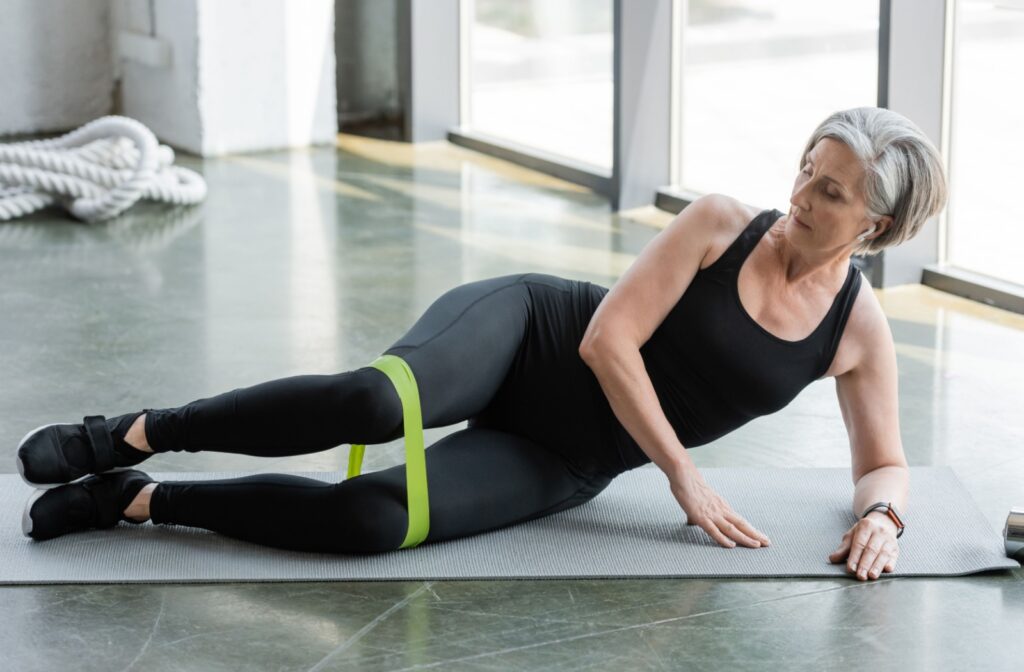
Starting any new activity works better when you have a plan. If you haven’t exercised in a while or have concerns about your health, talking with your doctor can help you understand what movements work well for your situation. They can offer specific guidance based on your current fitness level and any health conditions you manage.
Listen to what your body tells you during exercise. You might feel your muscles working, but you shouldn’t experience sharp pain or dizziness. Start with just a few repetitions of each exercise and gradually add more as you feel stronger.
Keep water nearby and take breaks whenever you need them. Set up your exercise space away from obstacles, and have sturdy furniture nearby for support. Good lighting helps you see clearly and move safely. Exercise helps prevent over 30 chronic diseases and can significantly improve your quality of life.
What Are Some Chair-Based Leg Exercises You Can Do Anywhere?
Seated Leg Extensions
Sit tall in a sturdy chair with your back supported and feet flat on the floor. Slowly straighten one leg out in front of you, hold for 2 seconds, then lower it back down with control. You’ll feel your thigh muscles working as you lift and lower your leg.
Start with 5 repetitions on each leg and work up to 10 as you get stronger. If the movement feels too easy, you can add a small weight like a water bottle on your ankle. If it feels challenging, lift your leg only partway up and gradually increase the range over time.
Ankle Circles and Flexes
These gentle movements help improve circulation in your lower legs and feet. Lift one foot slightly off the ground and slowly rotate your ankle in circles, first one direction, then the other. Follow this by flexing your foot up toward your shin, then pointing it down.
You can do ankle exercises several times throughout your day, even while watching television or reading. They help keep your ankles flexible and can reduce stiffness after sitting for long periods.
Seated Marching
While sitting in your chair, lift one knee up slightly, as if you’re taking a step. Lower it back down and lift the other knee. This gentle marching motion works your hip flexors and helps maintain the movement patterns you use for walking.
Try marching for 30 seconds at a time, focusing on lifting each knee to a comfortable height. You can vary the speed or add arm movements to make it more engaging. Chair exercises provide safe options for building strength while maintaining stability.
Which Standing Exercises Can Help Seniors?
Wall Push-Backs for Calf Strength
Stand arm’s length from a wall and place your palms flat against it. Step one foot back about 2 feet, keeping it straight. Lean forward slightly, then push back to the starting position using your calf muscles.
This exercise mimics the motion your calves use when you walk or climb stairs. You can adjust the intensity by stepping farther from the wall or changing the angle of your lean.
Gentle Leg Swings
Hold onto a sturdy chair or counter for balance. Swing one leg gently forward and back, keeping the movement controlled and comfortable. You can also swing your leg out to the side and back to center.
These movements help maintain hip flexibility and strengthen the muscles that stabilize your pelvis when you walk. Keep the swings small and smooth rather than forcing a large range of motion. Hip exercises and stretches can improve mobility and relieve discomfort in this important joint area.
Mini Squats With Chair Support
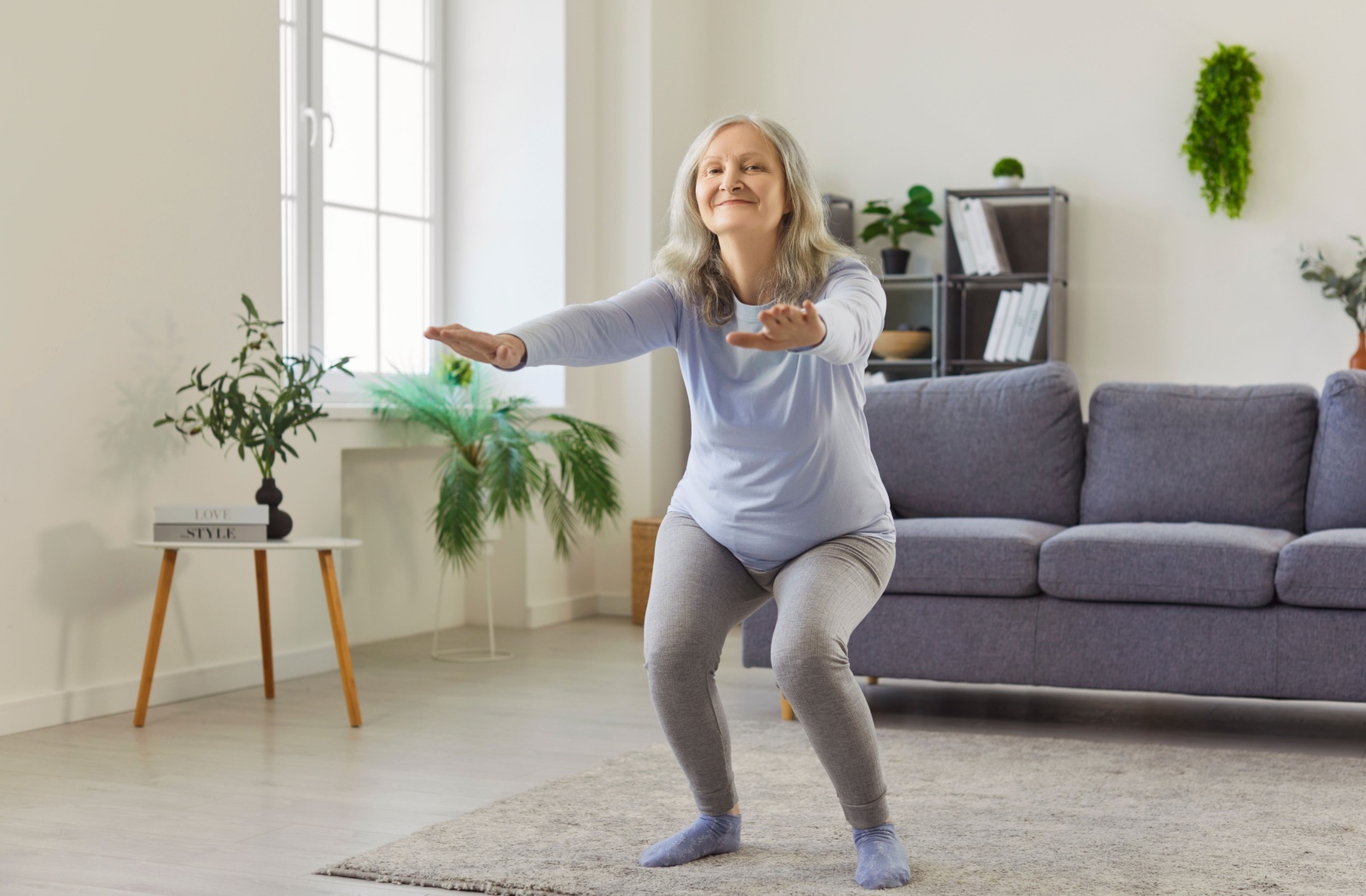
Stand behind a chair and hold the back for support. Lower yourself down as if you’re going to sit, but stop halfway and stand back up. This movement strengthens the same muscles you use to get in and out of chairs.
Start with just a small bend in your knees and gradually lower farther as you feel more comfortable. The chair provides security while you build confidence in the movement.
What Water-Based Leg Exercises Are Beneficial for Seniors?
Exercising in water provides natural support for your joints while still allowing your muscles to work effectively. The water’s buoyancy reduces the impact on your knees and hips, making movement feel more comfortable.
Simple walking in chest-deep water engages all your leg muscles while the water provides gentle resistance. You can also try leg lifts, knee raises, or gentle kicking motions while holding onto the pool edge for support. Aquatic exercises offer low-impact alternatives that provide benefits for balance, strength, and joint health.
Many community centers and senior living communities offer water exercise classes designed specifically for your age group. These programs provide professional instruction in a social, supportive environment.
How Community Support Makes Exercise More Enjoyable
Exercising with others can transform a routine task into an enjoyable social activity. When you participate in group exercises, you benefit from the motivation that comes from shared goals and friendly encouragement. You’re also more likely to stick with a regular exercise routine when it becomes part of your social connections.
Senior living communities often provide structured exercise programs led by trained associates who understand how to adapt movements for different ability levels. These professionals can offer personalized guidance to help you perform exercises safely and effectively.At Rosemark at Mayfair Park, residents enjoy access to fitness programs designed specifically for their needs and interests. The community atmosphere makes it easy to try new activities, meet like-minded neighbors, and stay motivated in your wellness journey. If you’d like to learn more about how an active lifestyle fits into senior living, consider scheduling a visit to see these programs in action.