
Key Takeaways
- Socialization helps reduce loneliness and improves overall emotional well-being
- Daily interaction encourages movement, boosts energy, and supports better sleep
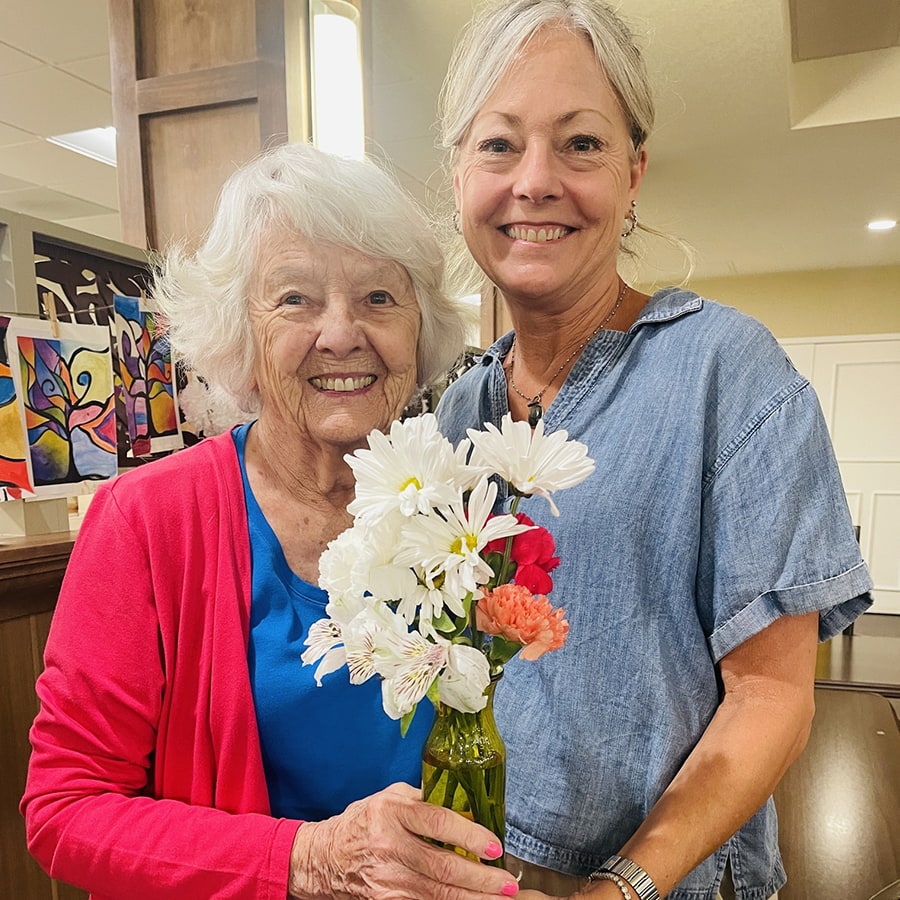
- Community life helps foster supportive friendships and a sense of belonging
- Group learning and conversation provide valuable mental stimulation for older adults
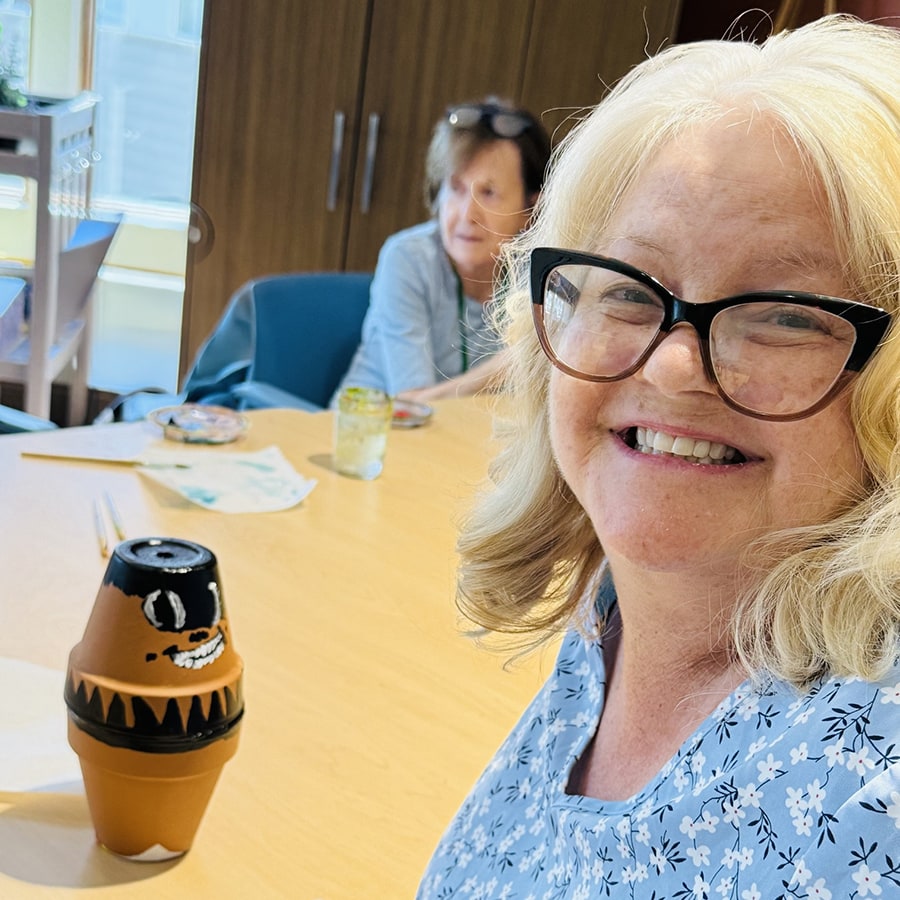
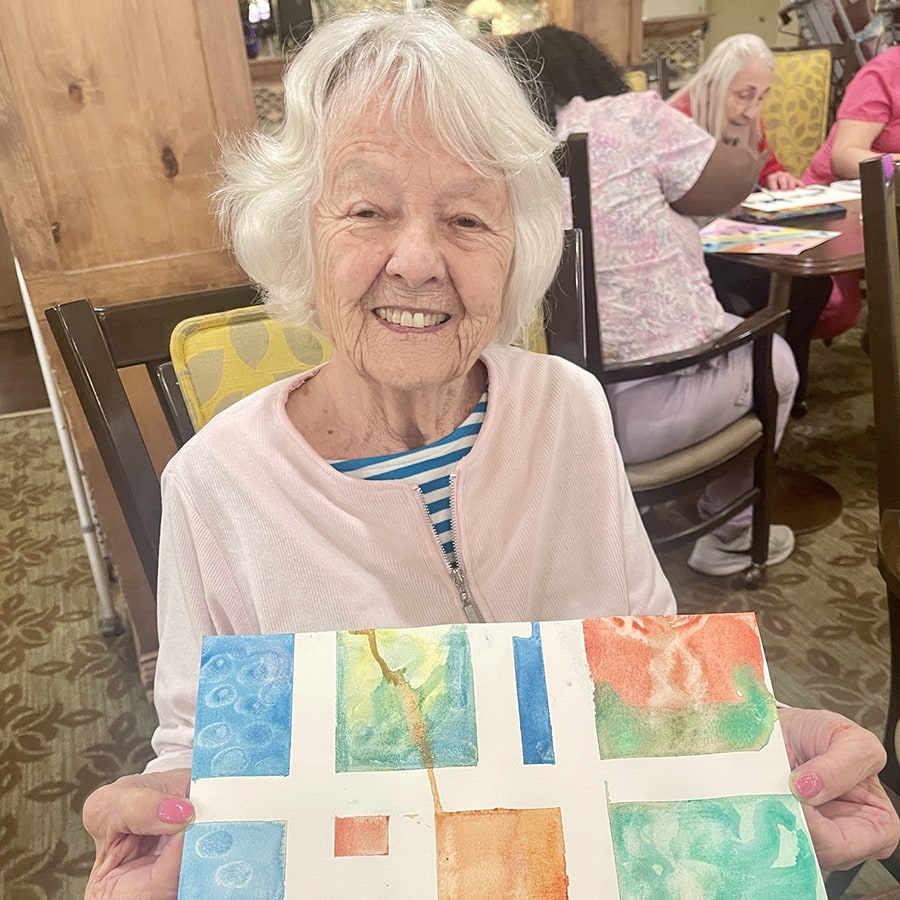
- Shared activities help support memory, creativity, and skill development
The Benefits of Socialization for Older Adults
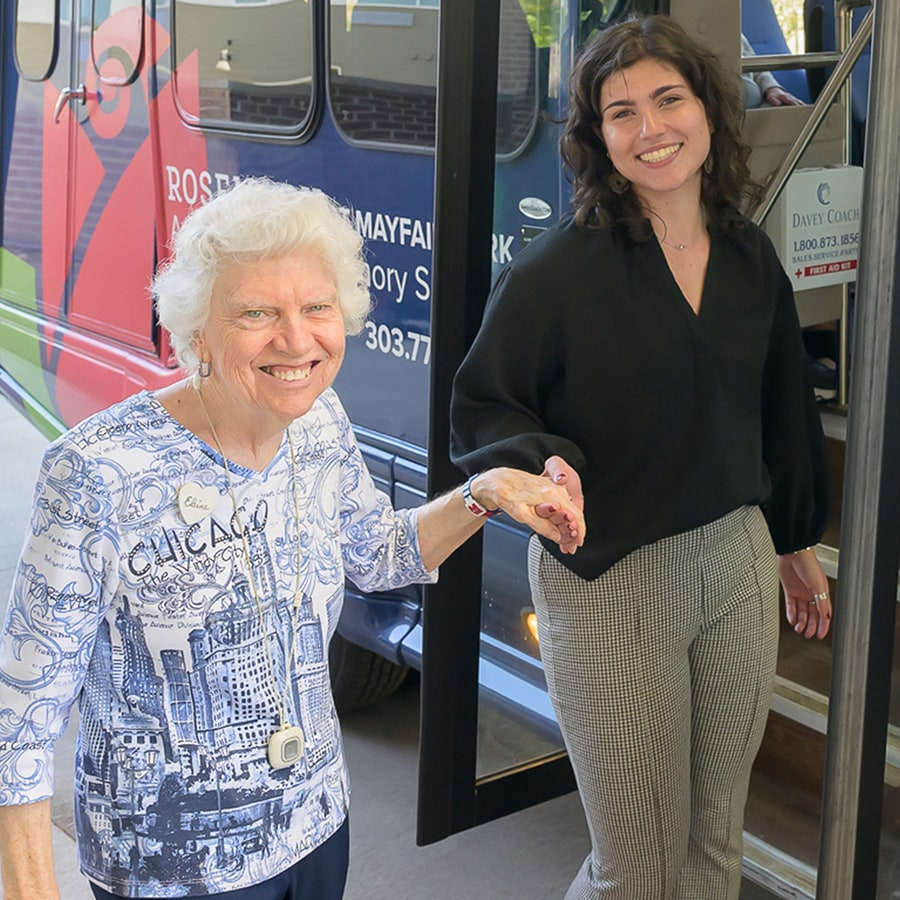
If you’re exploring care options for a loved one, it’s natural to wonder how their social life might change. Will they still have ways to connect with others? Will they feel less isolated? In many cases, assisted living can actually help older adults build new friendships and engage more often.
Socialization offers numerous benefits for older adults. From reduced feelings of loneliness to better mobility and sleep, the benefits of staying connected can be felt throughout daily life. This can restore a wonderful sense of purpose to your loved one’s life.
Why Social Connection Matters for Your Loved One
Social bonds play a powerful role in how older adults experience daily life. Having people to talk to, laugh with, and share time with can help your loved one feel more energized and engaged. These connections don’t need to be big or dramatic—simple, daily conversations often make the biggest difference.
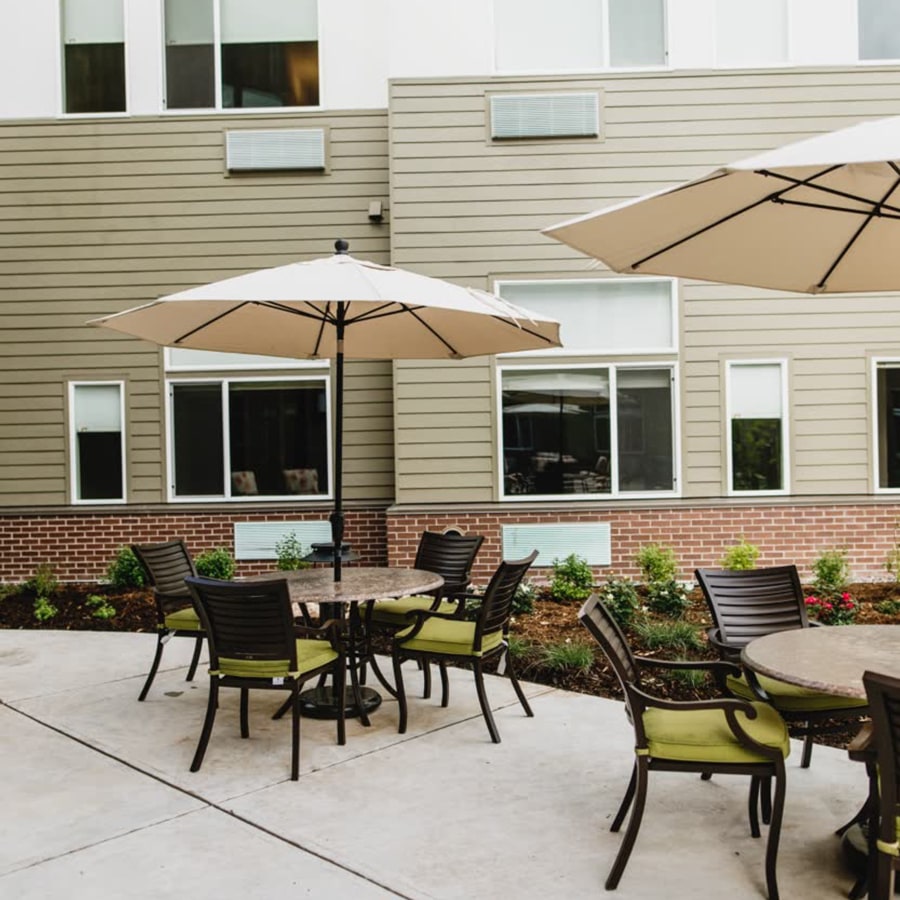
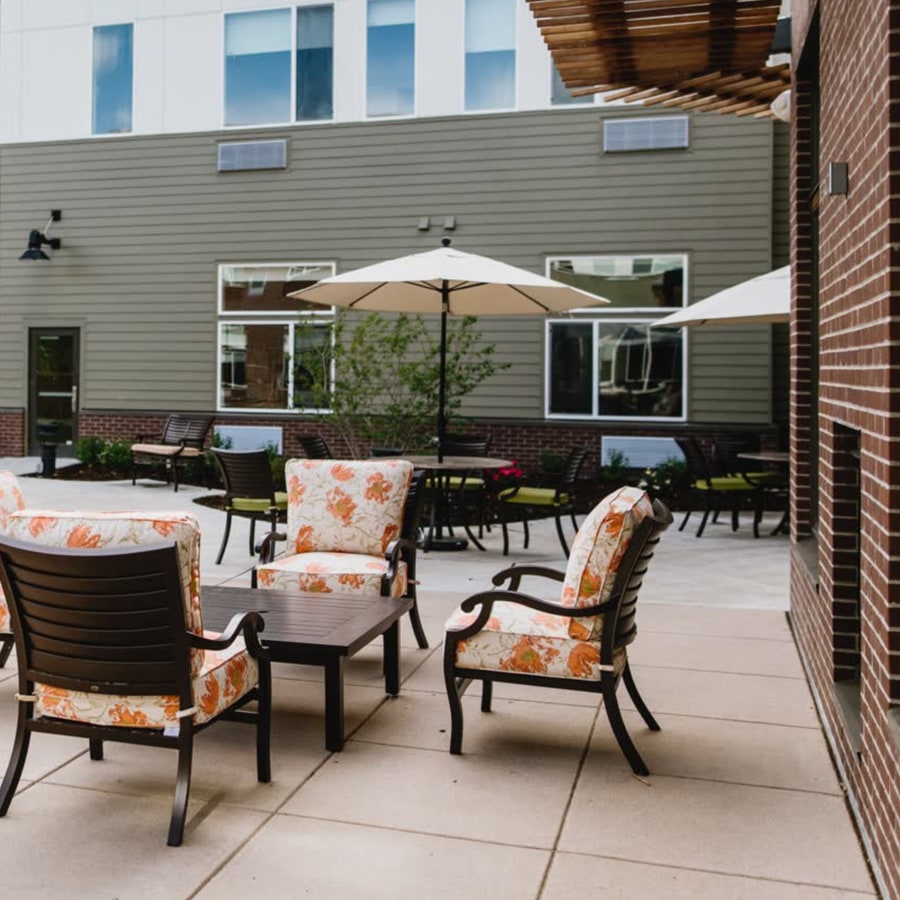
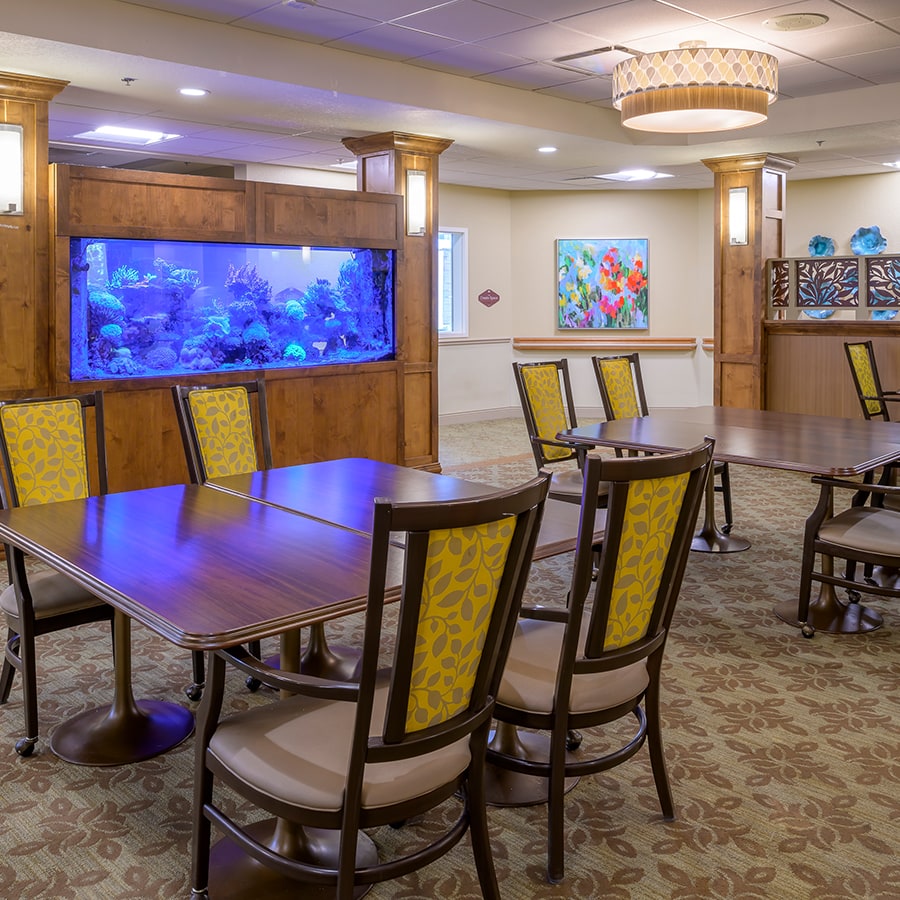
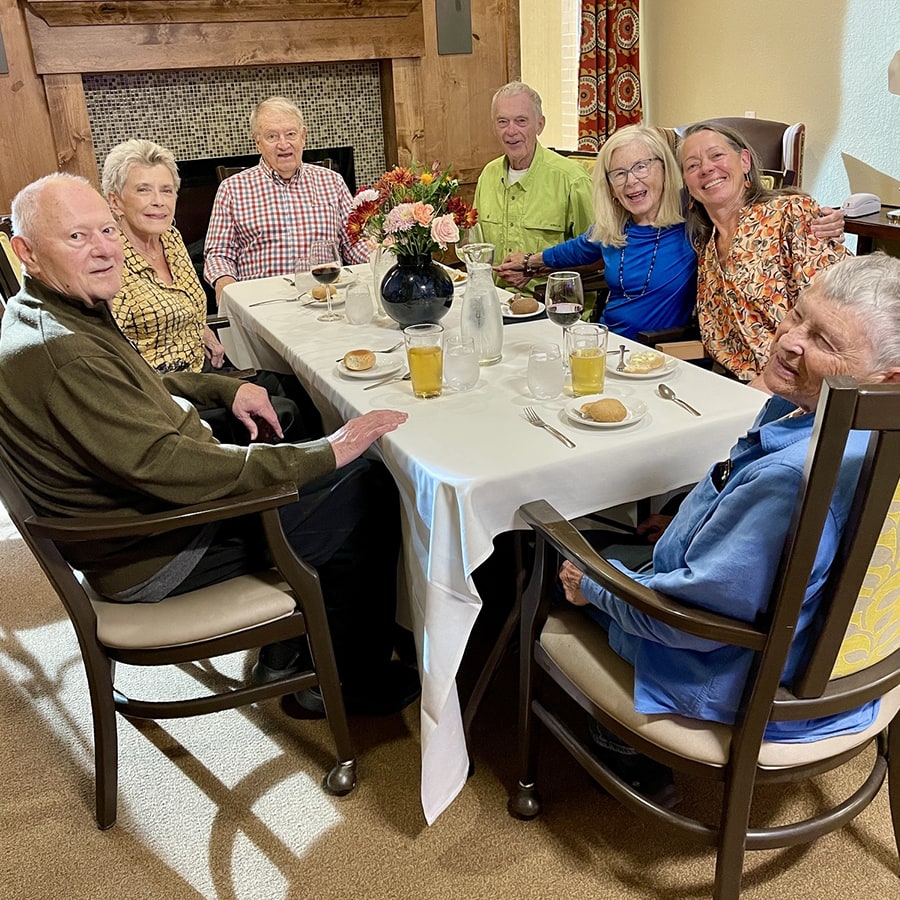
Assisted living communities understand the value of these moments. Many are thoughtfully designed to encourage spontaneous interaction: a chat on the way to lunch, a friendly game in the lounge, or a shared project in the activity room.
Physical Health Benefits of Staying Socially Active
Being around others naturally encourages more movement, better sleep, and healthier habits. It’s a core part of a healthy and active lifestyle. For older adults, socialization offers:
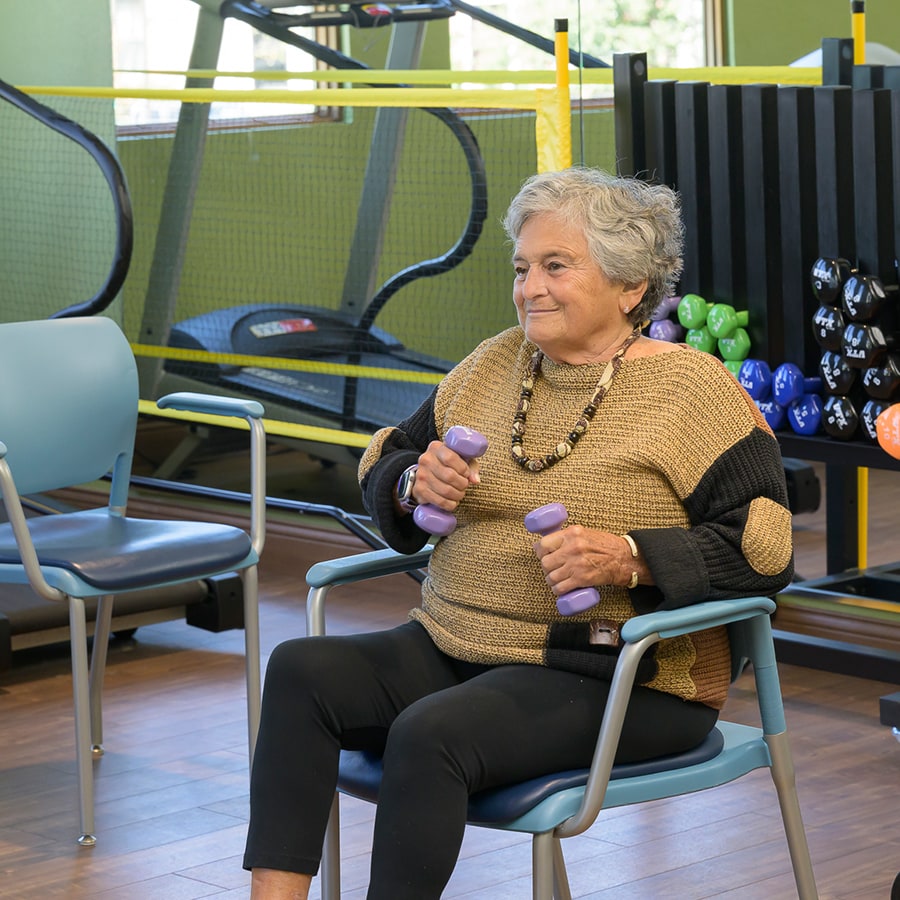
- Increased daily movement through walks, classes, or activities with friends
- Better sleep routines thanks to a structured day with things to look forward to
- Boosted energy from being around peers who uplift and engage them
- Healthier routines that feel easier to maintain with social support
Even gentle movement—like chair exercises or a stroll to the café—can add up over time. And when it’s done in a friendly, welcoming space, staying active often becomes something your loved one enjoys rather than avoids.
The Mental Health Benefits of Socialization
Loneliness can take a real toll on well-being. Fortunately, regular connection with others helps ease those feelings and brings emotional benefits that are just as meaningful as the physical ones. Socialization offers:
- Reduced isolation through conversations with people who understand their experiences
- Improved mood thanks to laughter, stories, and shared accomplishments
- Stronger sense of purpose through group activities that feel fulfilling
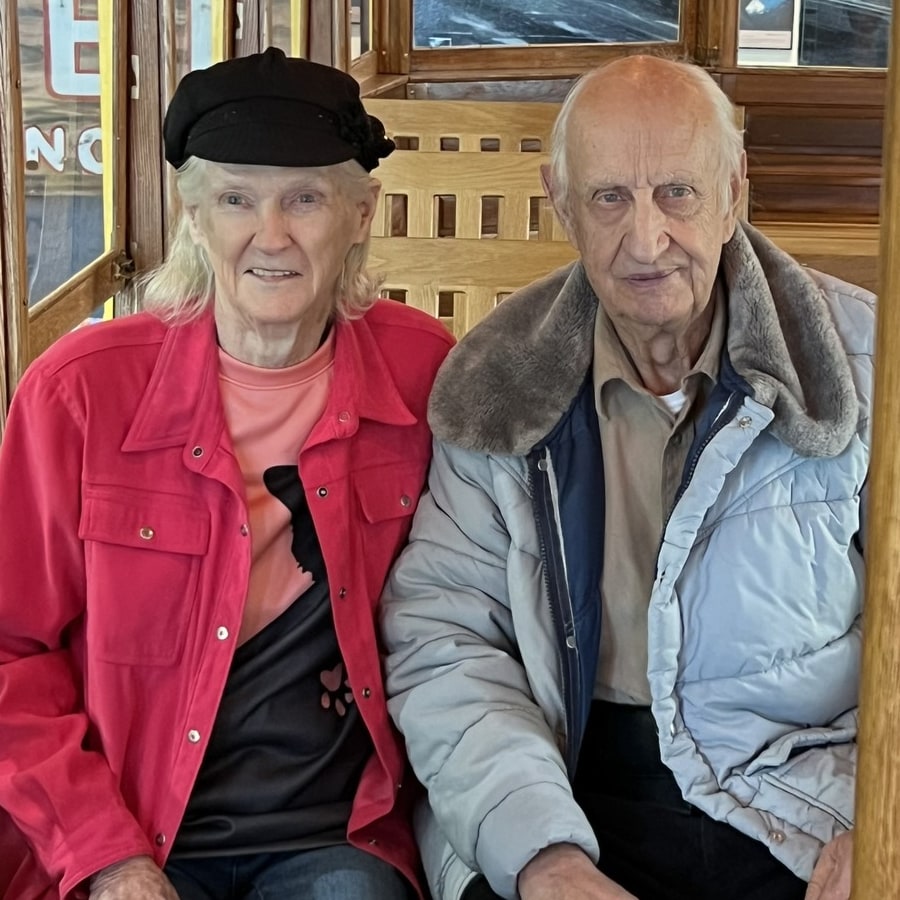
- Supportive friendships that develop naturally in community spaces
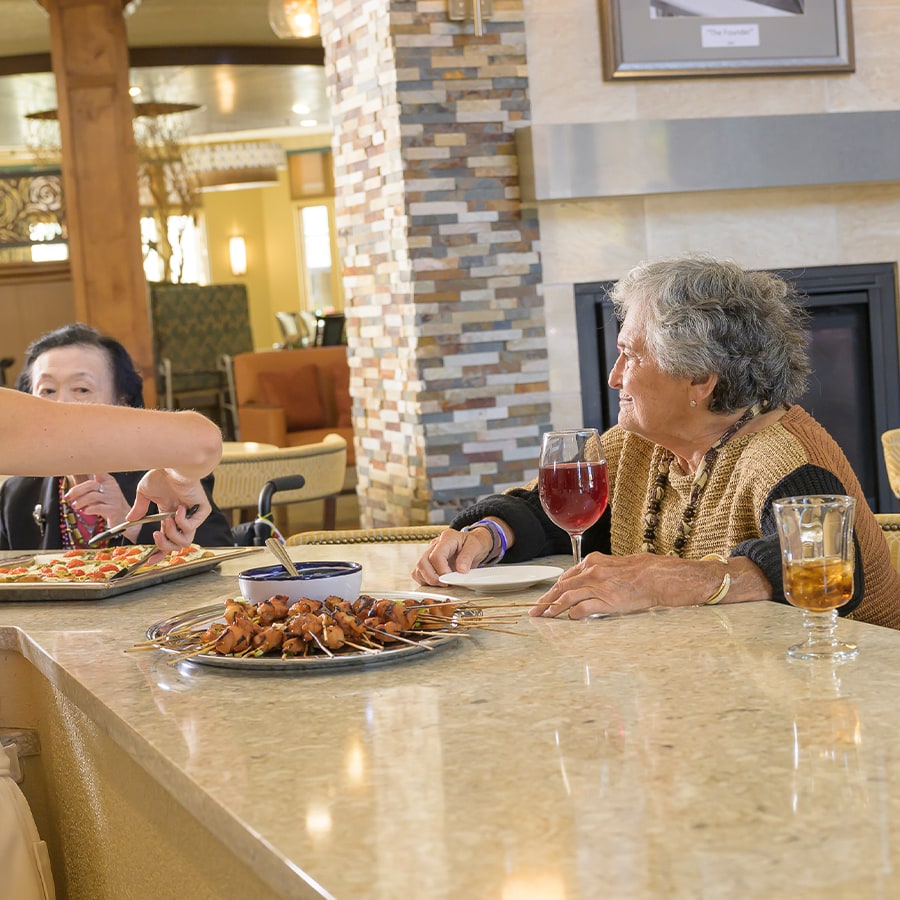
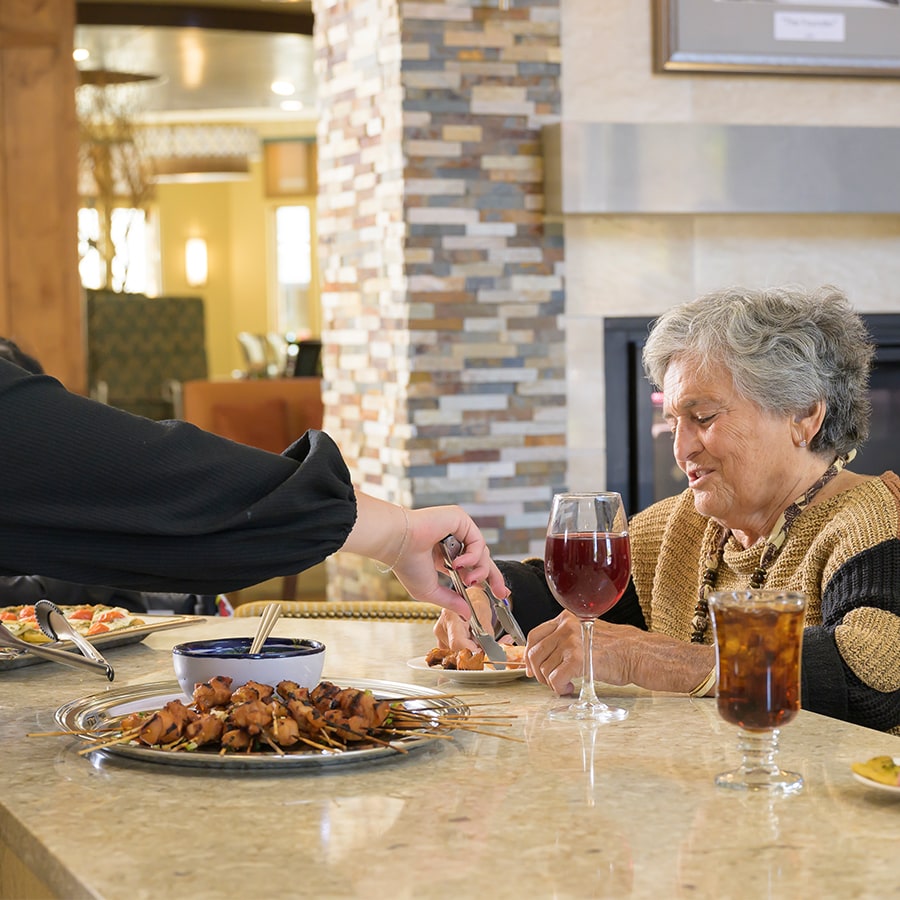
In a community setting, your loved one has opportunities for planned activities and spontaneous conversations. These daily interactions, even brief ones, can make a meaningful difference in how connected they feel.
Cognitive Benefits of Regular Social Interaction
Staying socially active also helps keep the brain engaged. Everyday conversation and group learning can provide important mental stimulation, especially as cognitive changes become more common with age. These moments offer:
- Mental stimulation through storytelling, discussions, and daily chats
- Memory support from recalling events and participating in familiar routines
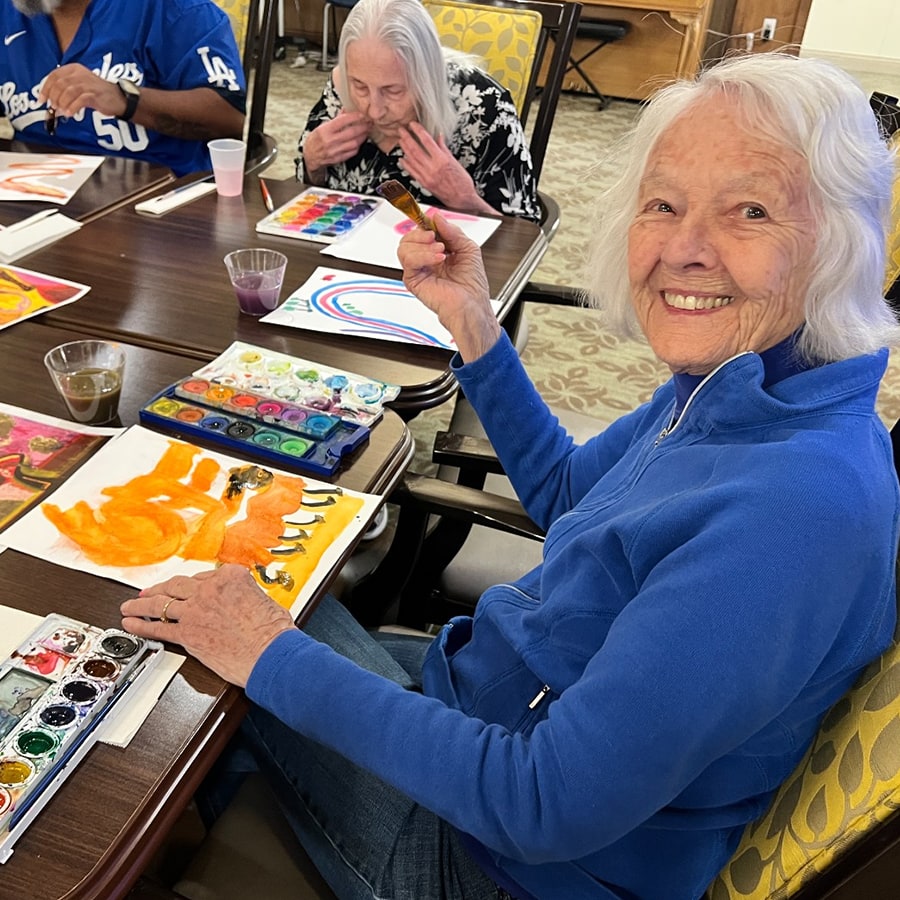
- Creative thinking through hobbies like art, music, or games
- Learning new skills in a safe, peer-supported environment
Whether it’s trying a new card game, learning about technology, or participating in art projects, these shared learning experiences provide cognitive stimulation while building friendships.
Social Opportunities in Senior Living Communities
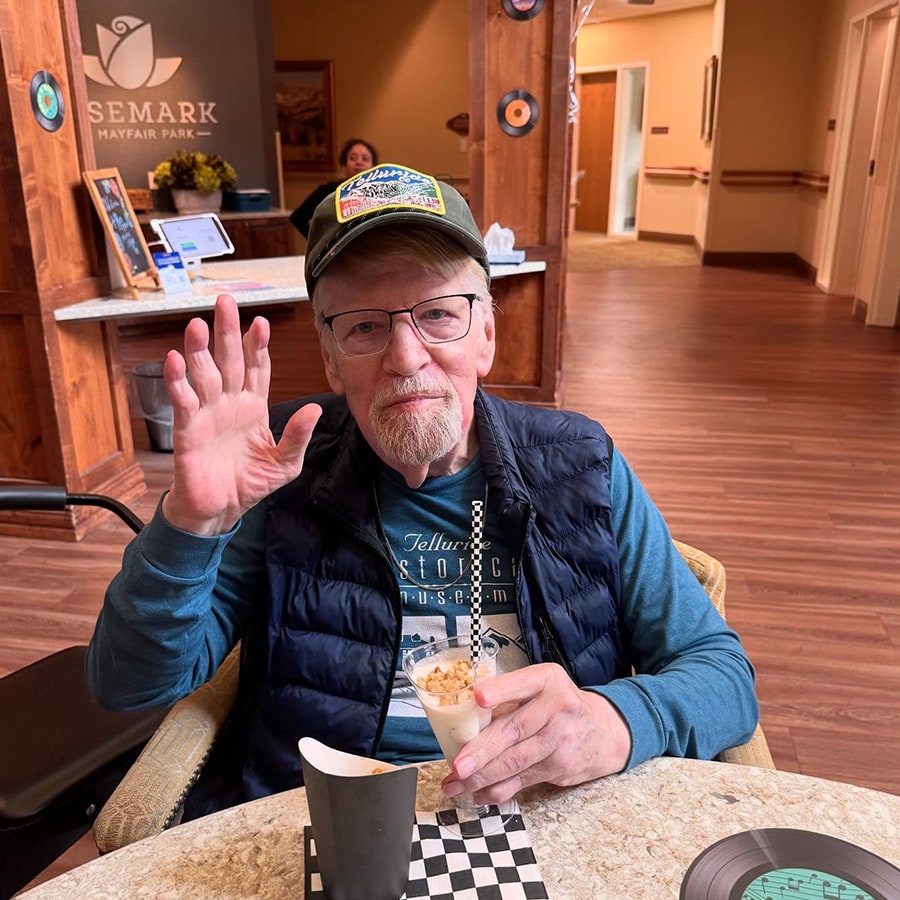
One of the most valuable aspects of assisted living is how easily it brings people together. Many communities offer a full calendar of activities, from morning coffee socials and exercise classes to movie nights and special interest groups. Your loved one can choose how and when to participate based on their preferences, comfort level, and energy.
Many residents form close friendships through shared hobbies. Whether it’s gardening, music appreciation, or joining a reading circle, the little moments matter. These smaller gatherings often lead to meaningful bonds that extend beyond scheduled events.
Even better? Because the environment is designed for connection, it’s easier for even shy or introverted individuals to feel included without pressure.
Support for Your Loved One’s Social Life
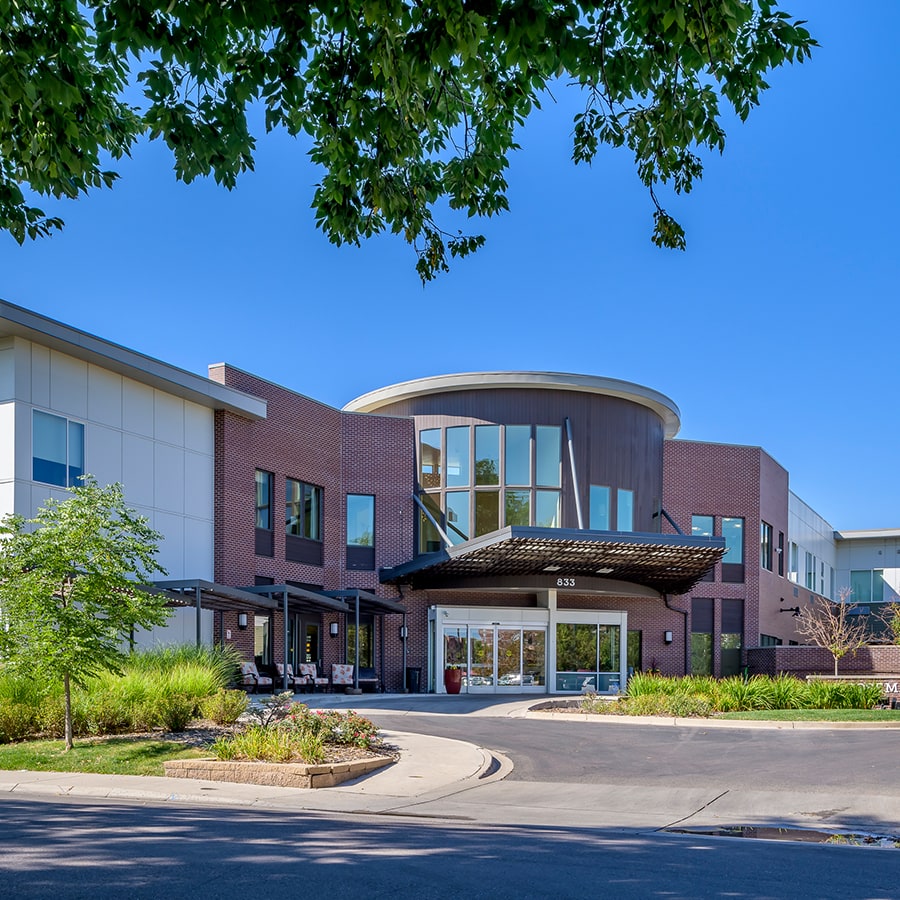
As you explore options, look for communities that treat social engagement as a core part of wellness, not just as an extra. Ask how new residents are welcomed, how hobbies are supported, and what kinds of activities are offered throughout the day. This information gives you valuable insight into what your loved one’s life could be like.Here at Rosemark at Mayfair Park, we know how important social connections are for a fulfilling life. From structured programs to spontaneous conversations, we create space for residents to build relationships at their own pace. That’s what your loved one deserves, and we’re glad to provide it to every person here. Schedule a tour with us today to see for yourself!