
Blog Hero

Moving a Loved One from Assisted Living to Memory Care: A Guide

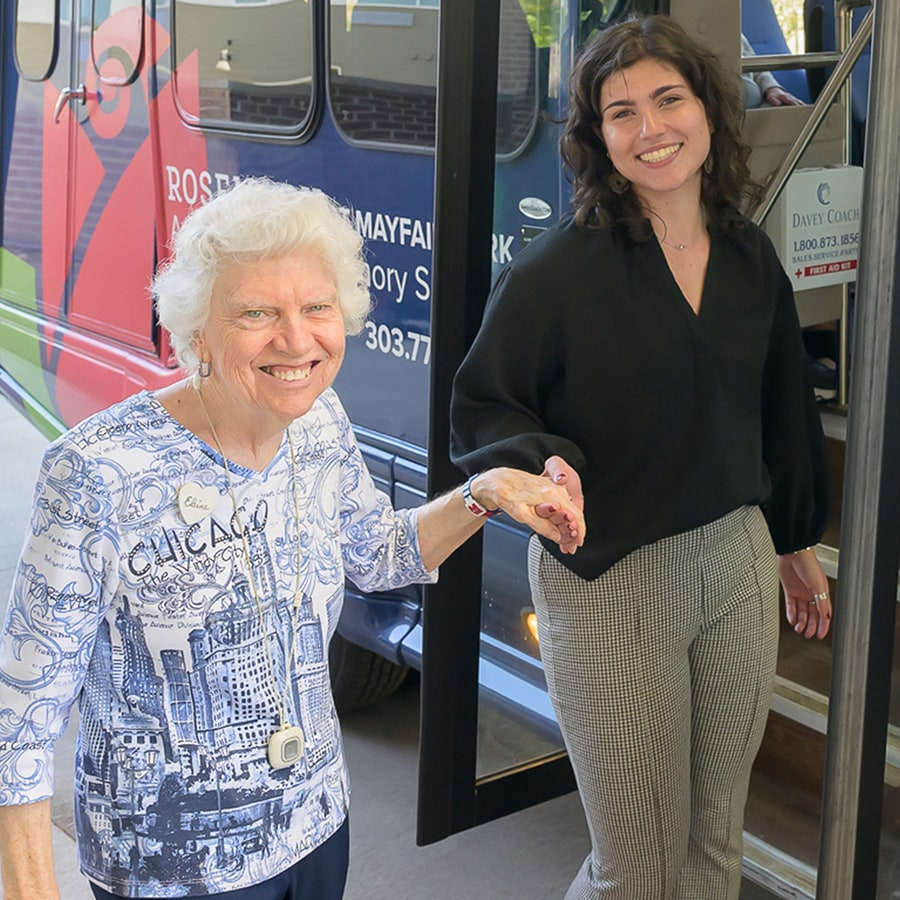
A caregiver comforts a smiling senior resident who is transitioning from assisted living to memory care.

Key Takeaways

  • Watch for signs like difficulty managing daily routines, safety concerns, and social withdrawal.
  • Memory care offers specialized programming and secure environments designed for cognitive support.
  • A smooth transition involves touring communities together and packing familiar items.
  • Regular visits and open communication with care associates help during adjustment.
  • This decision provides improved safety and specialized care for your loved one.

When Your Loved One Needs Memory Care

You’ve noticed changes in your loved one lately. Maybe they’re struggling with tasks they used to handle easily, or you’re worried about their safety in their current assisted living apartment. Recognizing when it’s time to transition from Rosemark at Mayfair Park assisted living to memory care can help you provide the specialized support your loved one needs.

This decision isn’t easy, but paying attention to specific changes can guide you toward the right choice. The signs often develop gradually, making it important to stay observant and connected with your loved one’s care team.

Signs Your Loved One May Need Memory Care Services

Changes in daily routine management often signal the need for more specialized care. You might notice your loved one forgetting to take medications, skipping meals, or struggling with personal hygiene tasks they used to manage independently. These shifts indicate they need more structured support throughout their day.

Safety concerns and wandering behaviors become more frequent as cognitive changes progress. Your loved one might leave their apartment at unusual hours, get lost, or have trouble finding their way back from community areas. These situations create real risks that memory care communities are specifically designed to address.

Social withdrawal from community activities can also indicate changing needs. If your loved one stops participating in events they once enjoyed or seems confused during social interactions, they might benefit from programming designed for cognitive support.

How Memory Care Differs from Assisted Living

Specialized Support and Programming

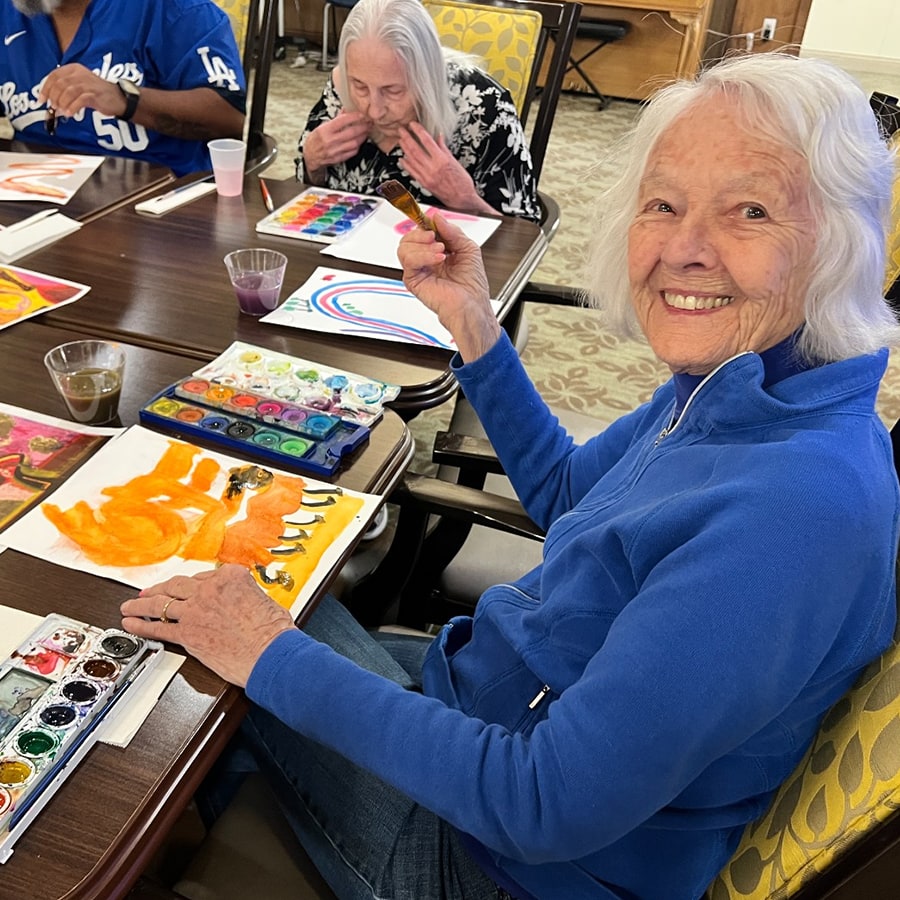
Memory care communities offer structured daily activities designed specifically for cognitive health. These programs help residents maintain abilities while providing meaningful engagement throughout the day. Activities might include music therapy, gentle exercise, or sensory experiences that connect with long-term memories.

Round-the-clock supervision and security features provide constant peace of mind. Associates receive specialized training to support residents with memory-related challenges, and communities include safety measures like secured entrances and monitored common areas.

Physical Environment Adaptations

Secure apartment layouts and common areas help residents navigate safely while maintaining independence. These spaces include clear pathways, familiar design elements, and secured outdoor areas where residents can enjoy fresh air without safety concerns.

Calm, organized spaces reduce confusion and create comfort for residents. Memory care communities use specific colors, lighting, and layouts that help residents feel at ease and find their way around more easily.

Steps to Make the Transition Smooth

Planning the Move

Tour memory care communities together when possible. This gives your loved one a chance to see their potential new home and ask questions. During visits, pay attention to how associates interact with residents and observe the daily rhythm of community life.

Discuss changes with your loved one in simple, reassuring terms. Focus on the positive aspects like increased safety, new friendships, and specialized activities designed just for them. Give them time to process the information and ask questions.

Moving Day Preparation

Pack familiar items and photos that bring comfort and connection to home. These personal touches help create a sense of familiarity in their new apartment. Include favorite clothes, blankets, or small decorative items that hold special meaning.

Coordinate with care associates before the move. Share important information about your loved one’s preferences, routines, and history. This helps the team provide personalized care from day one and makes the transition smoother for everyone.

Supporting Your Loved One During the Change

Visit regularly during the adjustment period to provide comfort and consistency. Your presence helps reassure your loved one and shows them you’re still actively involved in their care. These visits also give you chances to observe how they’re adapting to their new environment.

Participate in community activities when possible. Many memory care communities welcome family members to join special events, meals, or programs. This involvement helps you stay connected while supporting your loved one’s social engagement.

Maintain open communication with the care team. Regular check-ins help you understand how your loved one is adjusting and address any concerns quickly. Associates can share insights about daily routines and suggest ways to support your loved one’s comfort.

Finding Peace of Mind in Your Decision

Key Takeaways
Watch for signs like difficulty managing daily routines, safety concerns, and social withdrawal.
Memory care offers specialized programming and secure environments designed for cognitive support.
A smooth transition involves touring communities together and packing familiar items.
Regular visits and open communication with care associates help during adjustment.
This decision provides improved safety and specialized care for your loved one.
When Your Loved One Needs Memory Care
You've noticed changes in your loved one lately. Maybe they're struggling with tasks they used to handle easily, or you're worried about their safety in their current assisted living apartment. Recognizing when it's time to transition from Rosemark at Mayfair Park assisted living to memory care can help you provide the specialized support your loved one needs.
This decision isn't easy, but paying attention to specific changes can guide you toward the right choice. The signs often develop gradually, making it important to stay observant and connected with your loved one's care team.
Signs Your Loved One May Need Memory Care Services
Changes in daily routine management often signal the need for more specialized care. You might notice your loved one forgetting to take medications, skipping meals, or struggling with personal hygiene tasks they used to manage independently. These shifts indicate they need more structured support throughout their day.
Safety concerns and wandering behaviors become more frequent as cognitive changes progress. Your loved one might leave their apartment at unusual hours, get lost, or have trouble finding their way back from community areas. These situations create real risks that memory care communities are specifically designed to address.
Social withdrawal from community activities can also indicate changing needs. If your loved one stops participating in events they once enjoyed or seems confused during social interactions, they might benefit from programming designed for cognitive support.
How Memory Care Differs from Assisted Living
Specialized Support and Programming
Memory care communities offer structured daily activities designed specifically for cognitive health. These programs help residents maintain abilities while providing meaningful engagement throughout the day. Activities might include music therapy, gentle exercise, or sensory experiences that connect with long-term memories.
Round-the-clock supervision and security features provide constant peace of mind. Associates receive specialized training to support residents with memory-related challenges, and communities include safety measures like secured entrances and monitored common areas.
Physical Environment Adaptations
Secure apartment layouts and common areas help residents navigate safely while maintaining independence. These spaces include clear pathways, familiar design elements, and secured outdoor areas where residents can enjoy fresh air without safety concerns.
Calm, organized spaces reduce confusion and create comfort for residents. Memory care communities use specific colors, lighting, and layouts that help residents feel at ease and find their way around more easily.
Steps to Make the Transition Smooth
Planning the Move
Tour memory care communities together when possible. This gives your loved one a chance to see their potential new home and ask questions. During visits, pay attention to how associates interact with residents and observe the daily rhythm of community life.
Discuss changes with your loved one in simple, reassuring terms. Focus on the positive aspects like increased safety, new friendships, and specialized activities designed just for them. Give them time to process the information and ask questions.
Moving Day Preparation
Pack familiar items and photos that bring comfort and connection to home. These personal touches help create a sense of familiarity in their new apartment. Include favorite clothes, blankets, or small decorative items that hold special meaning.
Coordinate with care associates before the move. Share important information about your loved one's preferences, routines, and history. This helps the team provide personalized care from day one and makes the transition smoother for everyone.
Supporting Your Loved One During the Change
Visit regularly during the adjustment period to provide comfort and consistency. Your presence helps reassure your loved one and shows them you're still actively involved in their care. These visits also give you chances to observe how they're adapting to their new environment.
Participate in community activities when possible. Many memory care communities welcome family members to join special events, meals, or programs. This involvement helps you stay connected while supporting your loved one's social engagement.
Maintain open communication with the care team. Regular check-ins help you understand how your loved one is adjusting and address any concerns quickly. Associates can share insights about daily routines and suggest ways to support your loved one's comfort.
Finding Peace of Mind in Your Decision

Focus on the improved safety and specialized care your loved one now receives. Memory care communities provide professional support designed specifically for their changing needs, giving both of you security and peace of mind.
At Rosemark at Mayfair Park, our care team understands the emotions that come with this transition. We're here to support both you and your loved one through every step of this journey. Contact our team today to schedule a tour and see how our memory care community can provide the specialized support your family needs.


Focus on the improved safety and specialized care your loved one now receives. Memory care communities provide professional support designed specifically for their changing needs, giving both of you security and peace of mind.

At Rosemark at Mayfair Park, our care team understands the emotions that come with this transition. We’re here to support both you and your loved one through every step of this journey. Contact our team today to schedule a tour and see how our memory care community can provide the specialized support your family needs.

Schedule Your Private Tour
in Mayfair Park

Rosemark at Mayfair Park is located at 833 Jersey Street, Denver, CO 80220 (at East 8th Avenue and Jersey Street). With top-rated hospitals and medical resources nearby, you enjoy the peace of mind that comes with accessible care, all while living in a cozy, tree-lined setting that feels like home. It’s the perfect balance of tranquility, safety, and connection

Located At

  • 833 Jersey St
  • Denver, CO 80220

Contact
Information

Reach out to Us

instagram facebook facebook2 pinterest twitter google-plus google linkedin2 yelp youtube phone location calendar share2 link star-full star star-half chevron-right chevron-left chevron-down chevron-up envelope fax